Portfolio containing “hacks” created during Spring 2025 DIG 401 under Dr. Sample. “Flogs” are failure logs. Click on Flog Excerpt to read the flog in its entirety.
My collected works explore the complex intersections of technology, human experience, and critical engagement with contemporary digital culture. Through a series of projects, rather, “hacks,” I examine how our relationship with technology shapes identity, creativity, and physical and mental health in an accelerated digital landscape.
At the core of my work lies an interest with the dual nature of technology. How it simultaneously empowers and constrains us. In projects like “A Video…,” where I use After Effects as a digital audio workstation, I deliberately repurpose familiar tools beyond their intended use, transforming limitations into creative opportunities. This exploration of creative constraints is similar to Frank Chimero’s philosophy that “limitations allow us to get to work without having to wait for a muse to show up.”
My critical lens extends to the broader sociopolitical implications of technology in works like “Extraction,” where I re-contextualize familiar game play mechanics to reveal the exploitative practices behind technological advancement. By reskinning the classic Operation game, I invite players to confront uncomfortable truths about resource extraction and the human cost of our devices.
A more recent interest of mine is my investigation of “doom scrolling” and its physiological consequences. By creating physical devices that transform scrolling into engagement with basic necessities, I aim to disrupt harmful patterns and promote conscious integration of technology into peoples’ lives.
Collectively, these works form a sustained inquiry into how we might maintain our humanity – our creativity, physical well-being, and ethical awareness – while navigating an increasingly digital existence. Rather than rejecting technology outright, I seek to reclaim agency within these systems.
Hack #1: A Sample
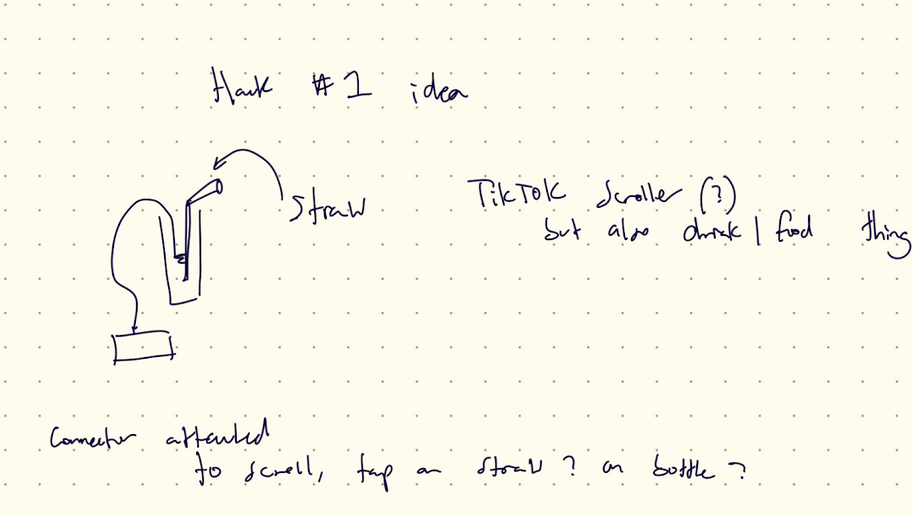
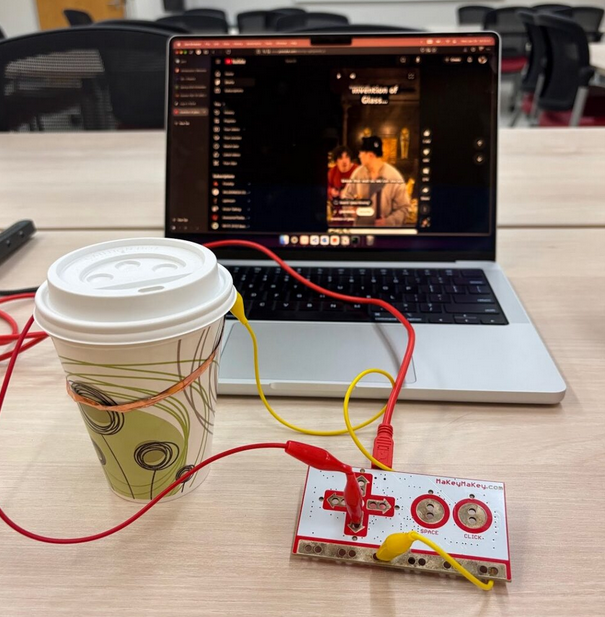
This project examines the addictive nature of short-form content platforms by creating a physical intervention that promotes hydration during media consumption. The work connects Roger Caillois’s concept of “Alea” (games of chance) to the random reinforcement mechanisms employed by platforms like TikTok and YouTube Shorts. Through a MakeyMakey circuit that requires drinking water to scroll to the next video, the project seeks to transform passive, potentially harmful scrolling behavior into an act of self-care. This intervention represents an initial attempt to address the neglect of self-care that often accompanies prolonged media consumption.
At first, I had some grand ideas of remapping the input on the MakeyMakey, setting up some programming to prompt ChatGPT to generate some code, and have the code be displayed… however this all fell short when I was unable to remap the keys on my MakeyMakey! It turns out that the version was too old for remapping.
Hack #2: Extraction
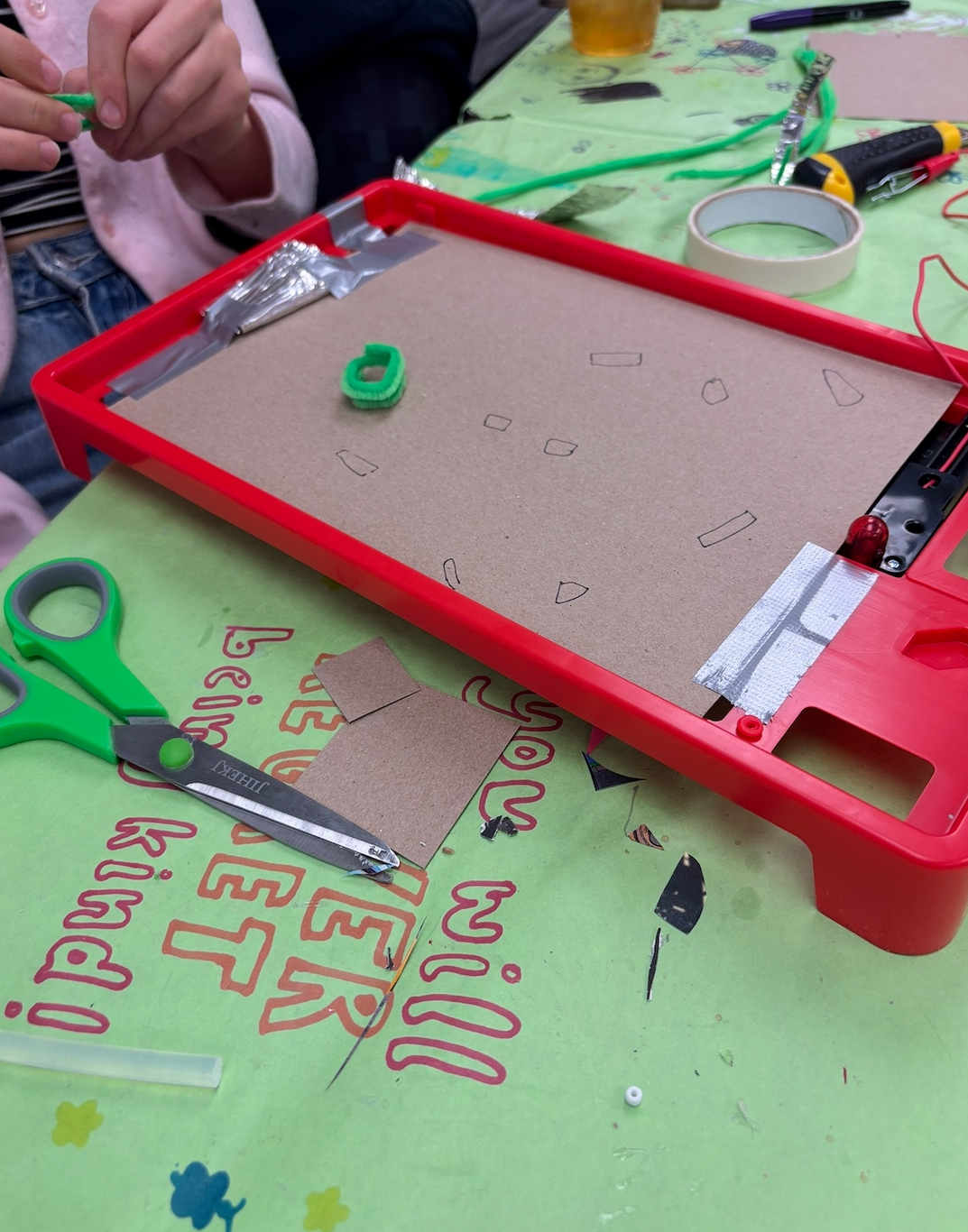
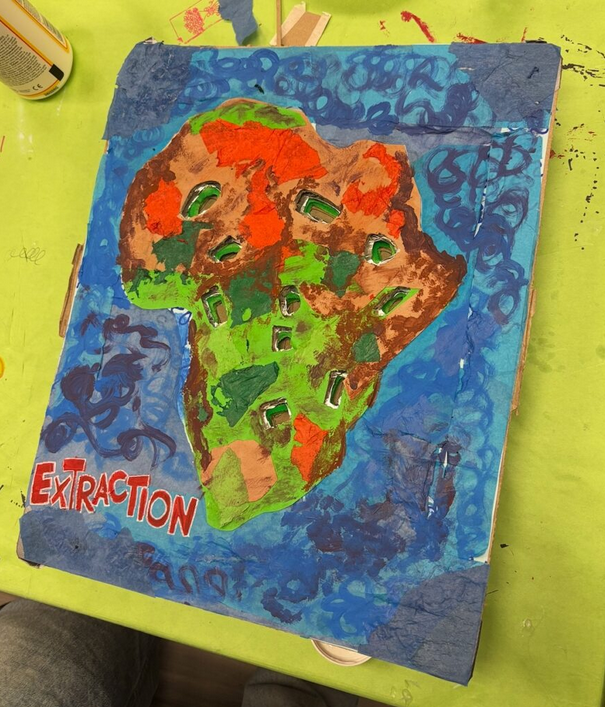
This work transforms the classic Operation game into “Extraction,” a critical commentary on resource exploitation in Africa. The project applies Mary Flanagan’s concept of “reskinning” to recontextualize casual gameplay into a serious examination of how business tycoons extract valuable resources from developing regions. By gamifying exploitation, the work forces players to confront the ethical implications of resource extraction while maintaining the familiar mechanics of the original game. The project specifically aims to broaden awareness beyond well-known figures like Elon Musk to highlight other actors involved in similar exploitative practices.
We encountered issues over the weekend when DACE was closed, and we didn’t have access to any of the needed materials. We decided to check out the small art center in the union, but they were missing essential items: a box cutter and tape. Fortunately, Davis Cafe saved us – I asked a worker for a box cutter, and the union front desk had some painter’s tape. Our next challenge arose when we needed tin foil. Davis Cafe didn’t have any, and we couldn’t find any in the union. We headed to Nummit in search of it, but they didn’t have any either! We then went to Ksig and raided the kitchen, emerging successful with foil in hand.
Hack #3: A Video…
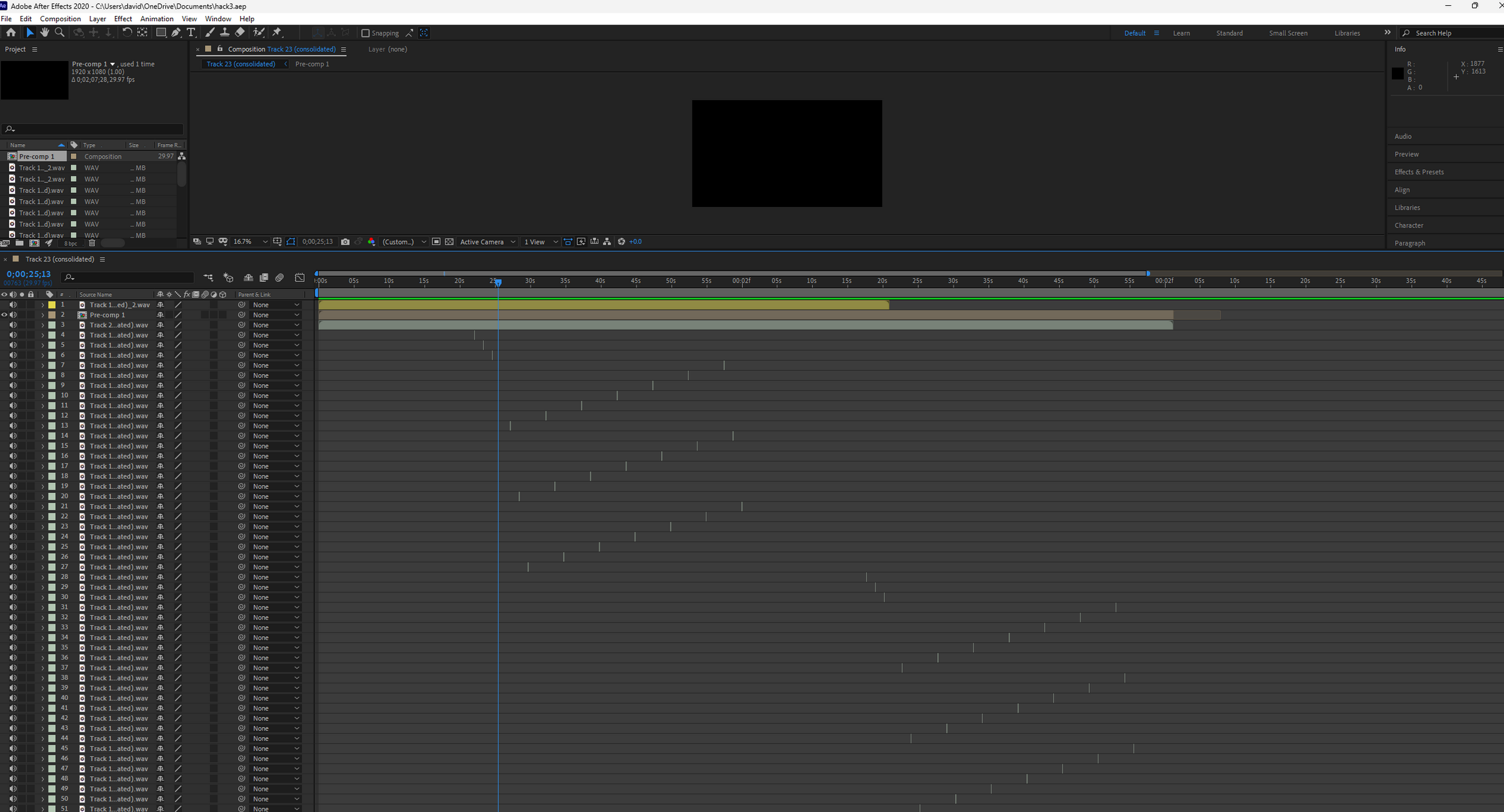
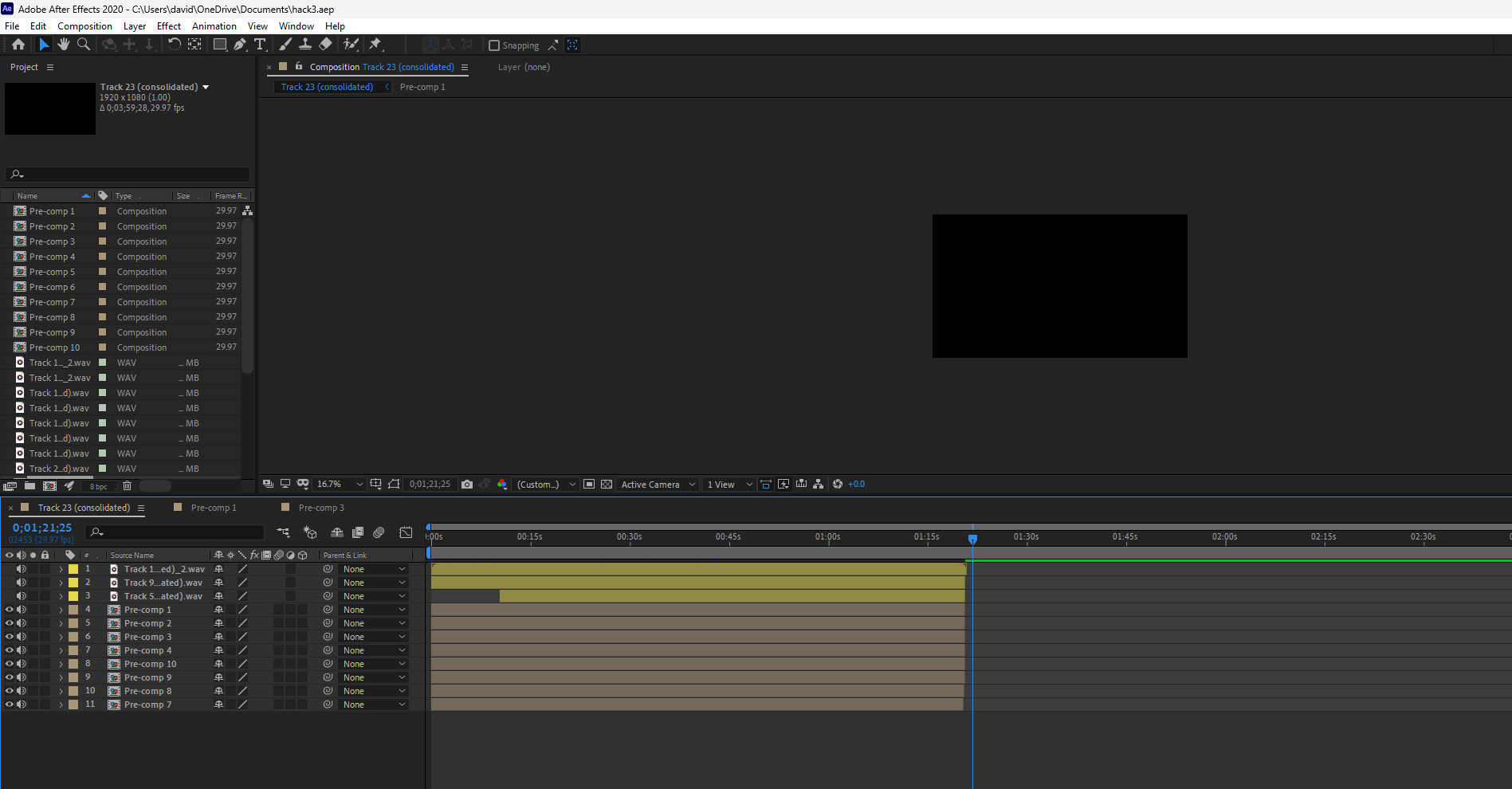
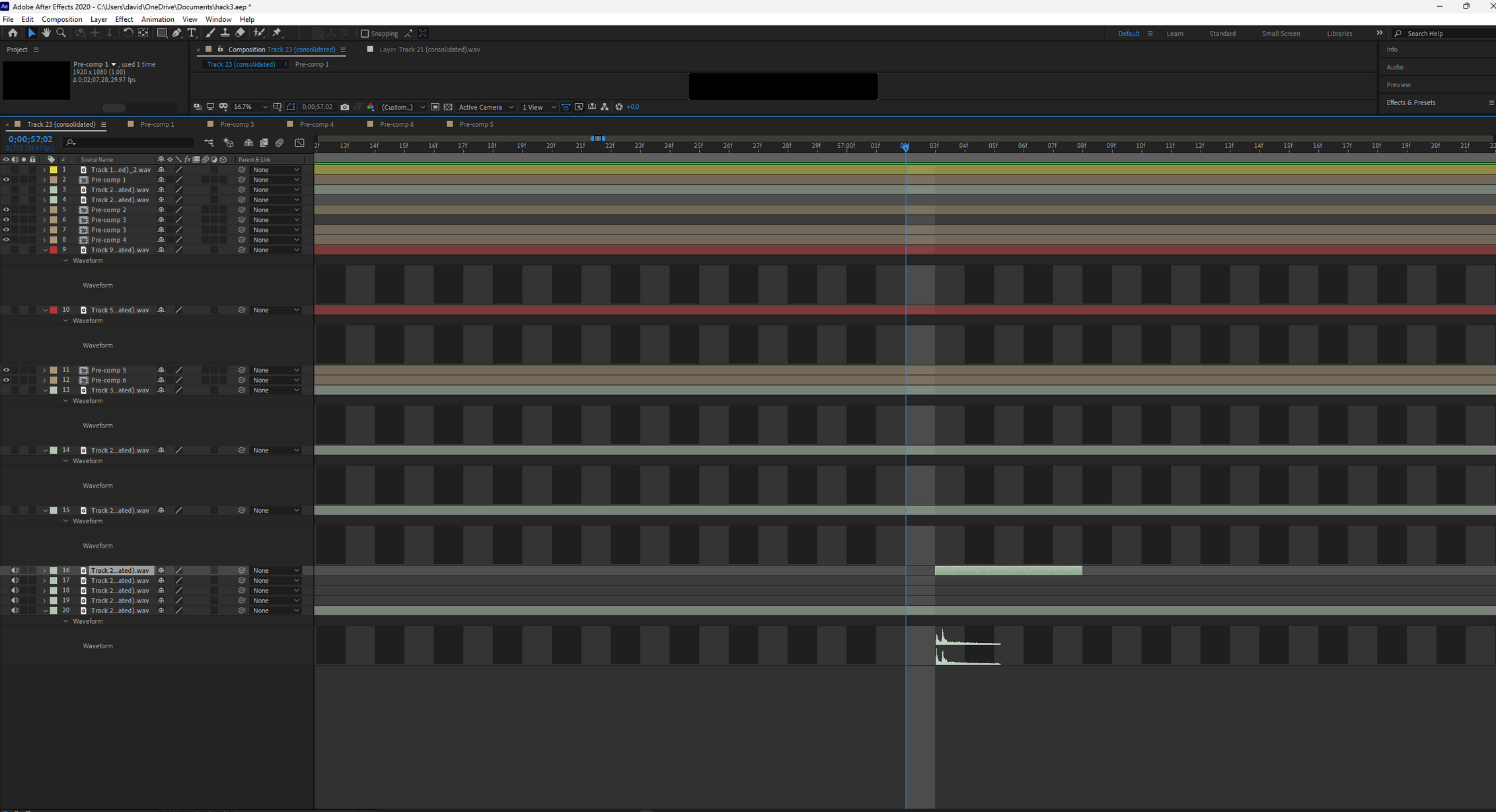
This project explores the creative potential found within technological limitations by repurposing Adobe After Effects as a digital audio workstation (DAW). The work investigates how constraints can foster innovation, directly engaging with Frank Chimero’s concepts from “The Shape of Design” about improvisation and limitations as creative catalysts. By using a video editing tool as a DAW, the project challenges traditional boundaries between different creative software environments. This hack serves as both a personal breakthrough for the creator and a demonstration of how creative blocks can be overcome through the deliberate imposition of constraints.
The process was quite time consuming, and I spent a lot of time working. Listening back to the song over and over again became repetitive, and it got to a point where it just sounded like noise, nothing intelligible or composed. I took a break after that point, obviously, but I suppose I could call that a fail of the week. I overworked myself and did not realize it until after the fact.
Hack #4: tech evolution; a timeline and rebuttal to the denouncing of gen z nostalgia
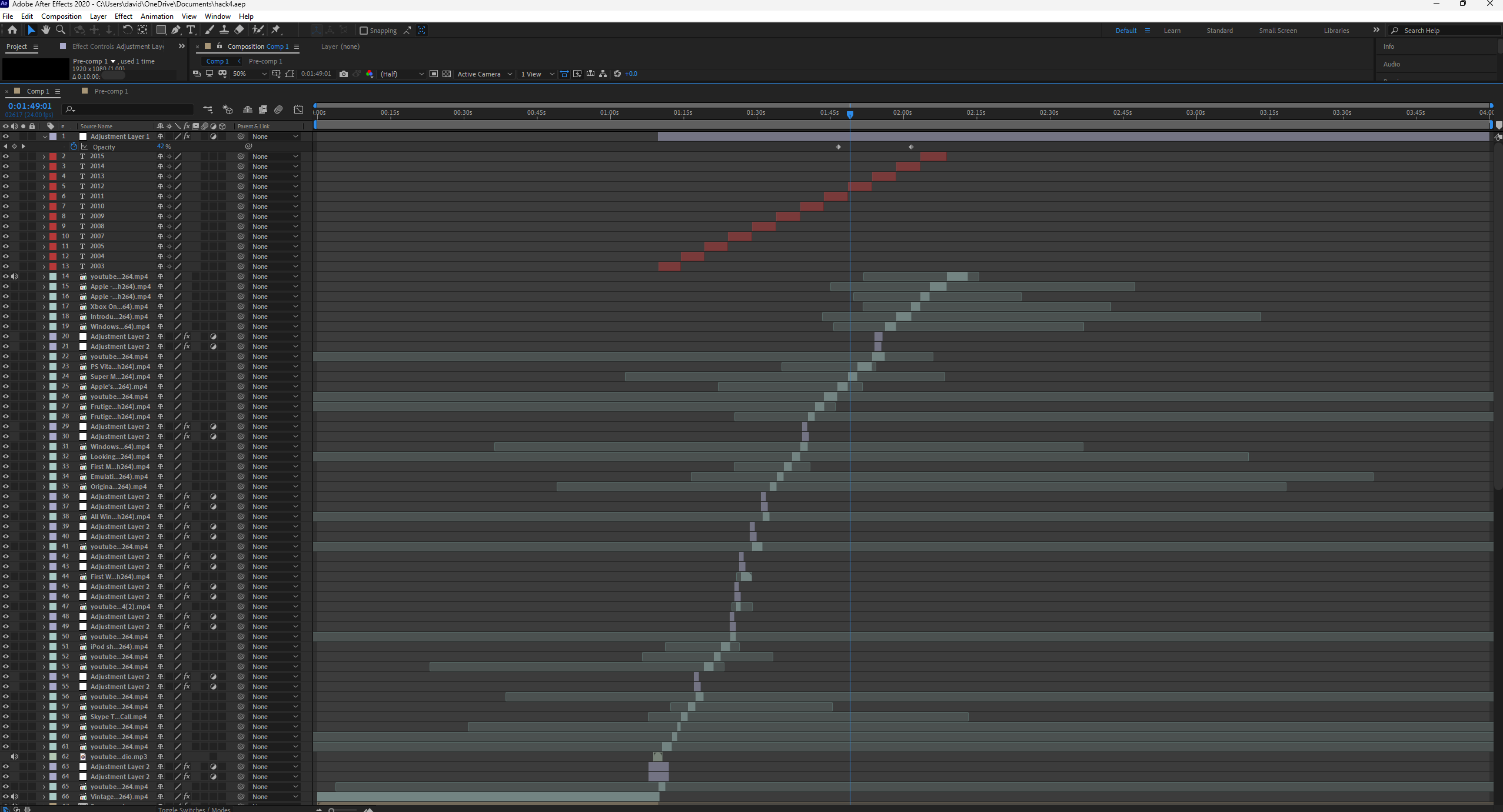
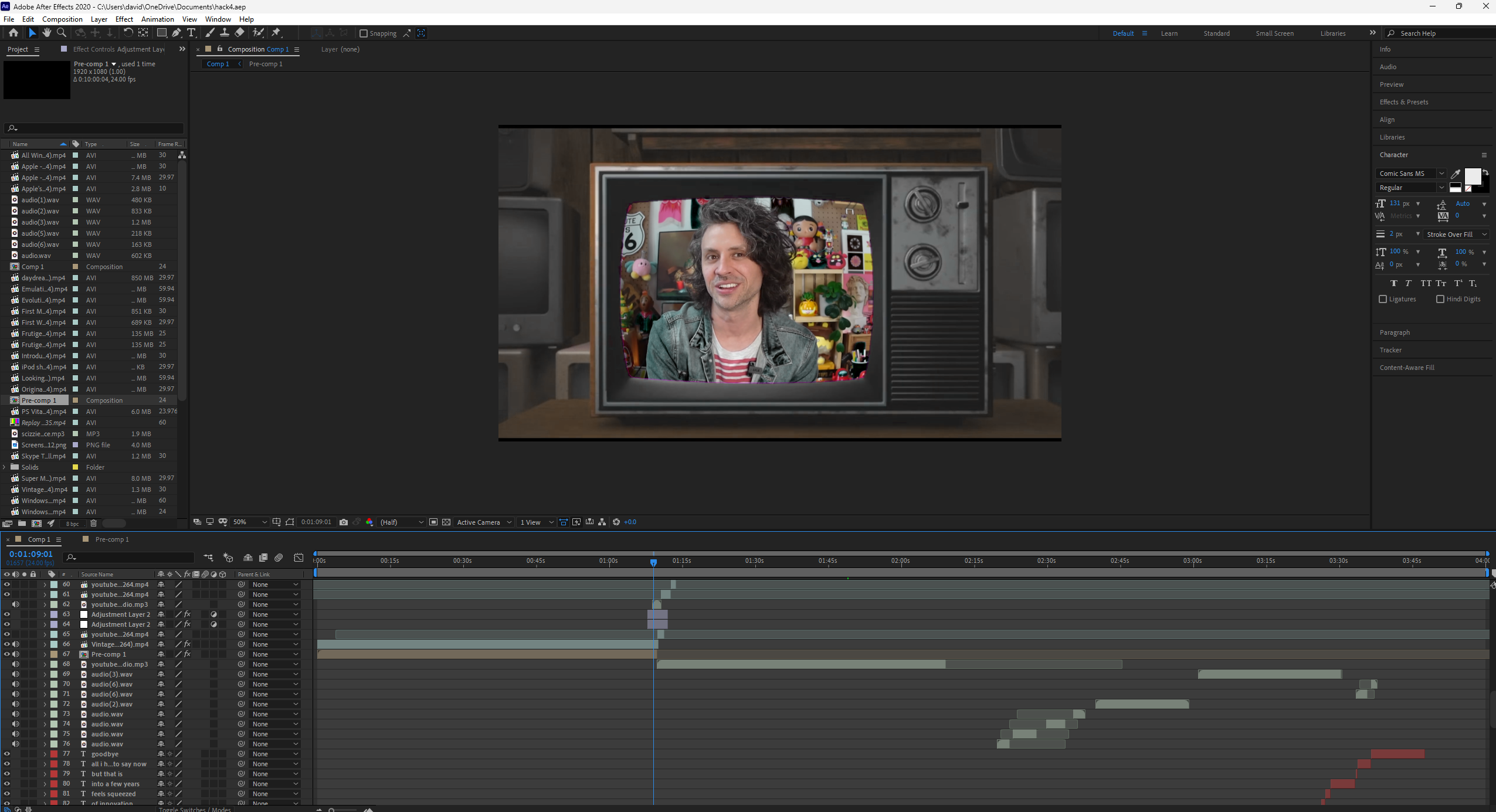
This project investigates the phenomenon of “compressed time” and accelerated nostalgia experienced by those that follow the term “Digital Natives” through a video timeline of technological evolution. The work employs Kenneth Goldsmith’s concept of “uncreative writing” and Virginia Kuhn’s “digital argument” to demonstrate how Gen Z experiences multiple technological “eras” within remarkably short time frames. Through careful arrangement of technological artifacts and deliberate application of visual effects, the project challenges critical perspectives that dismiss Gen Z’s nostalgia as premature or inauthentic. This remix serves as both documentation of technological acceleration and a reflection on how such rapid change shapes generational identity and emotional processing.
This was possibly the hardest week I’ve had to face. I had this assignment, and another paper due on the same day, and spreading my time between the two was very difficult. However, I am very happy with how my hack turned out; I spent the entire day on Sunday working on it, and Monday turning out the final touches. I hadn’t edited in some time, other than my previous hack (where I used AE), so it was difficult to get a sort of creative flow going.
Hack #5: A Full Course Meal
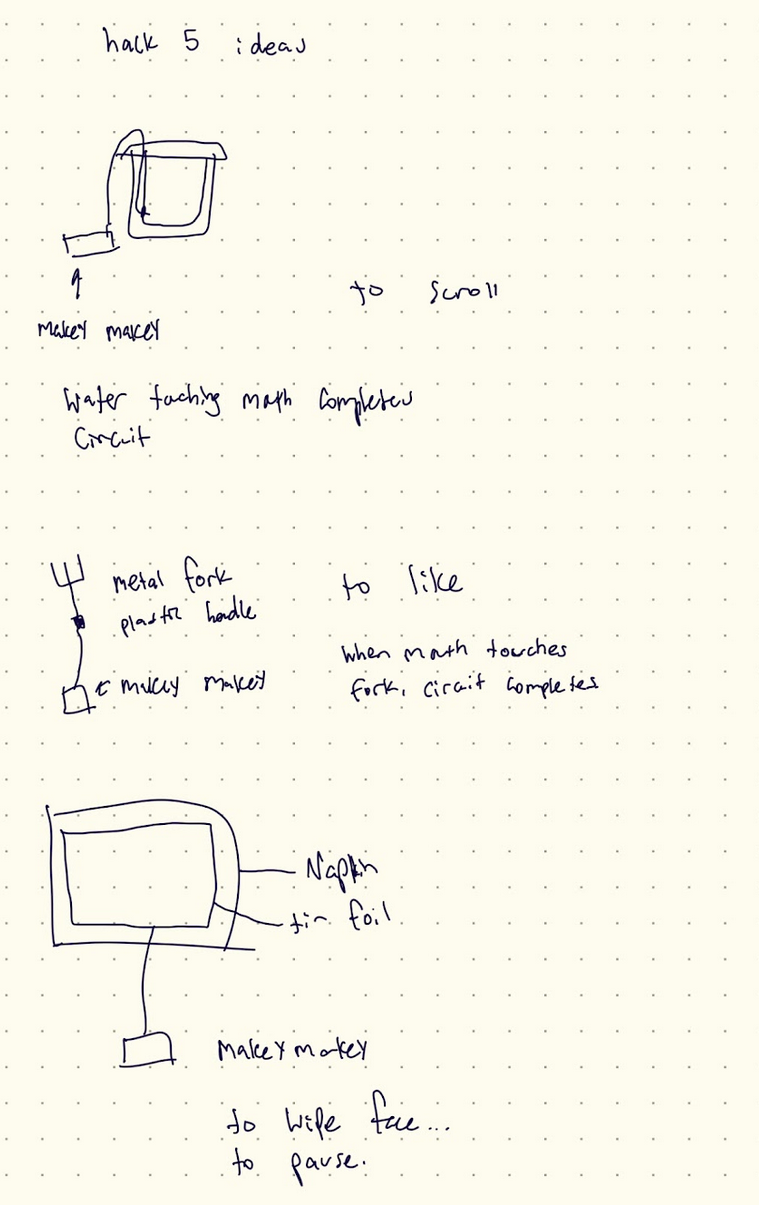
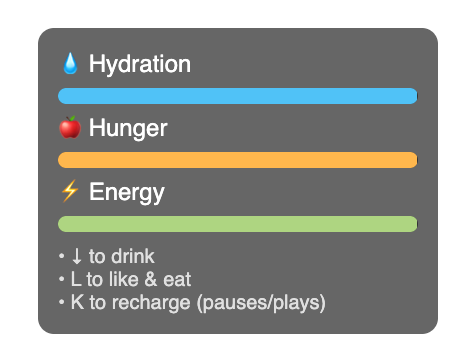
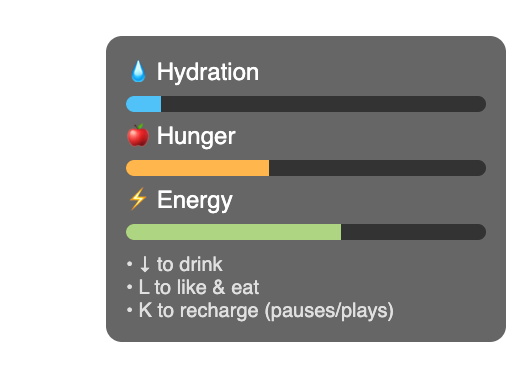
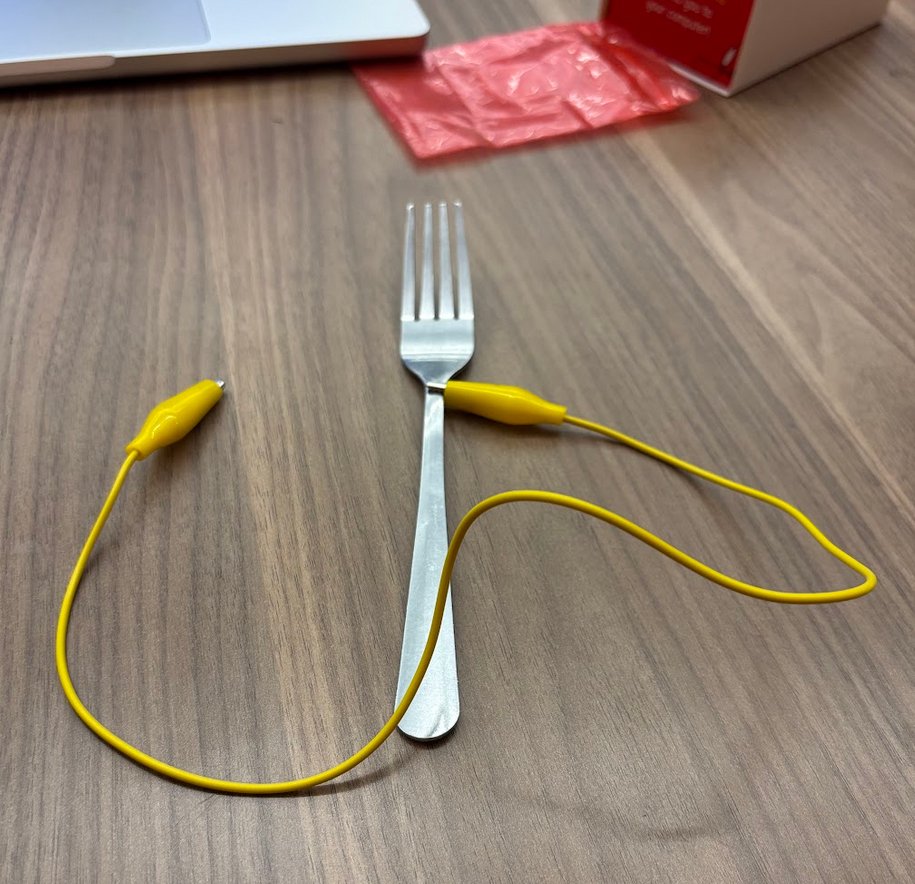
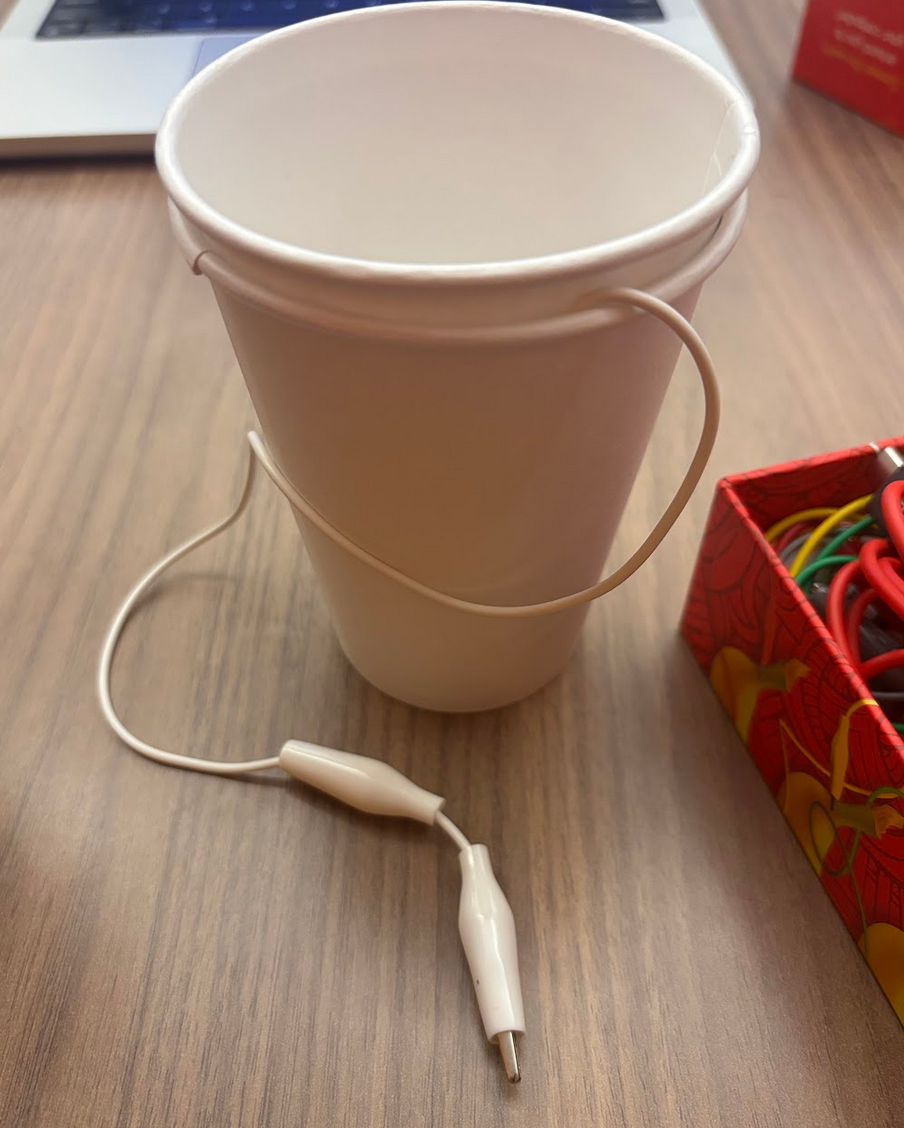
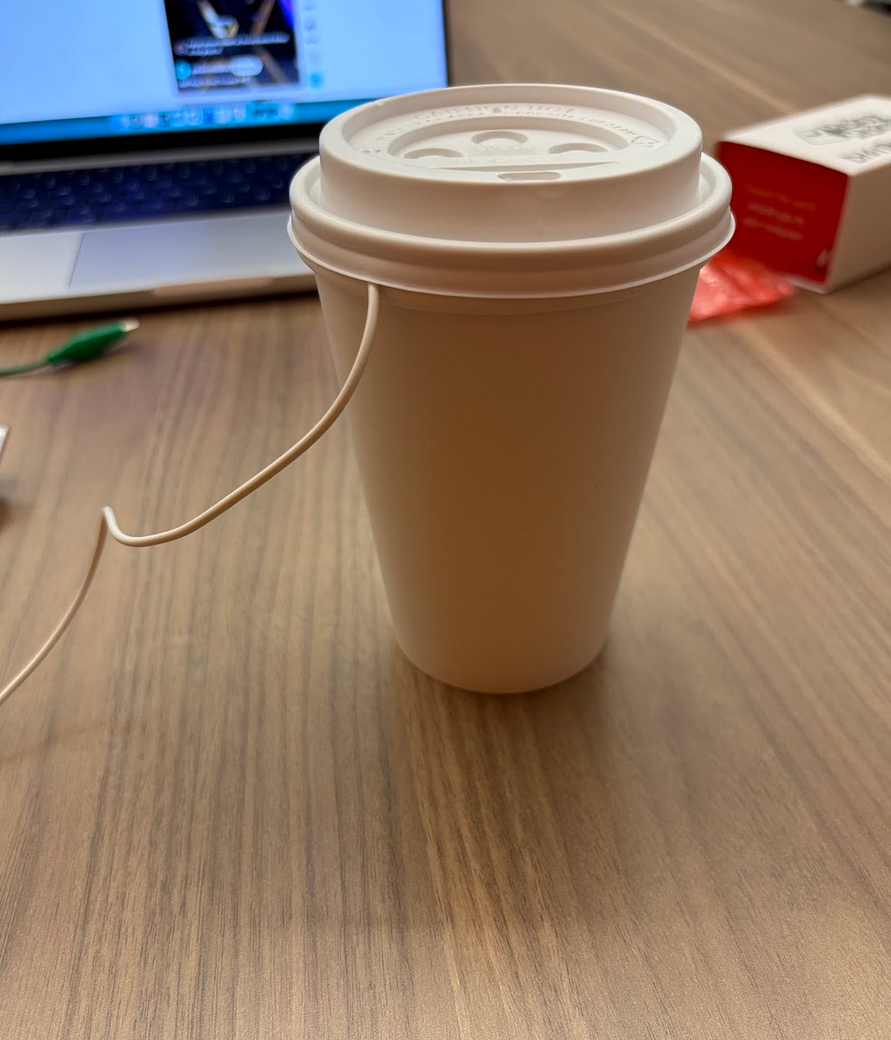
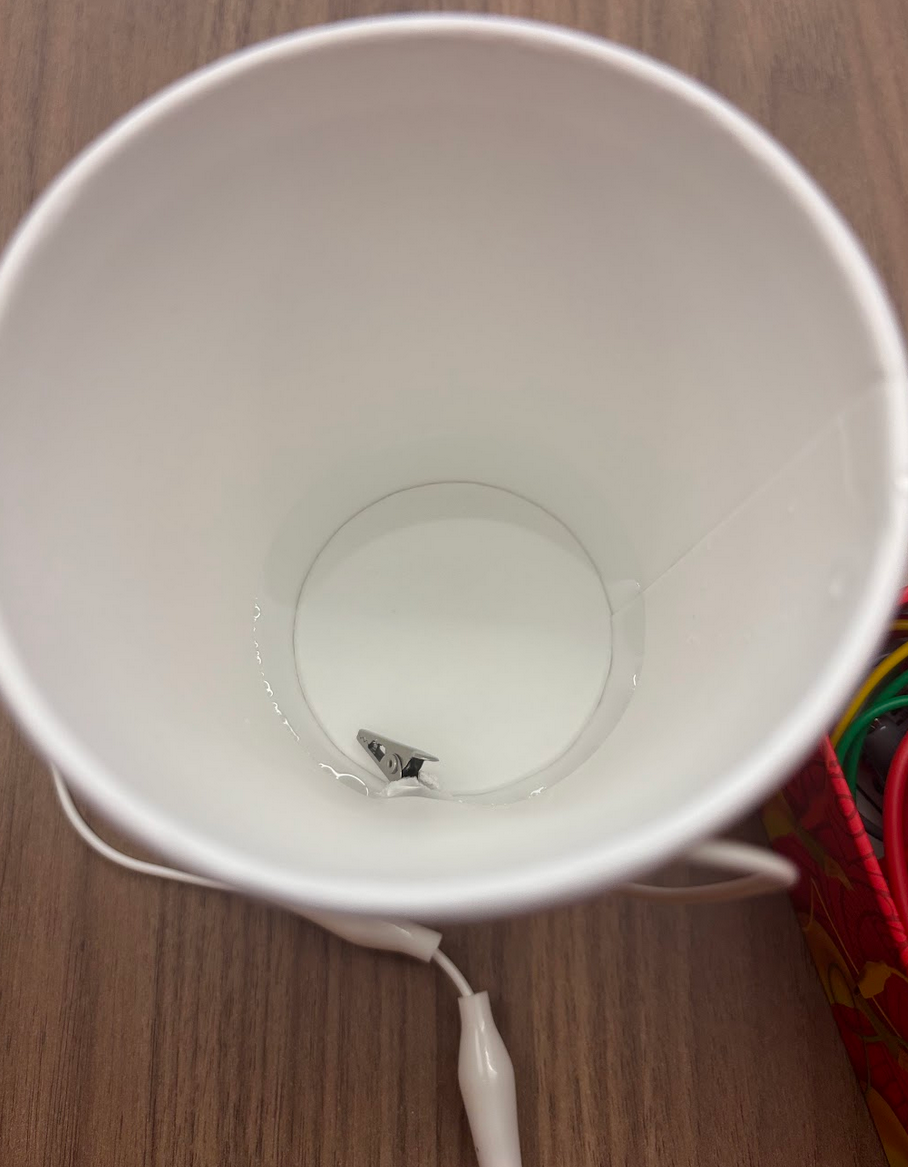
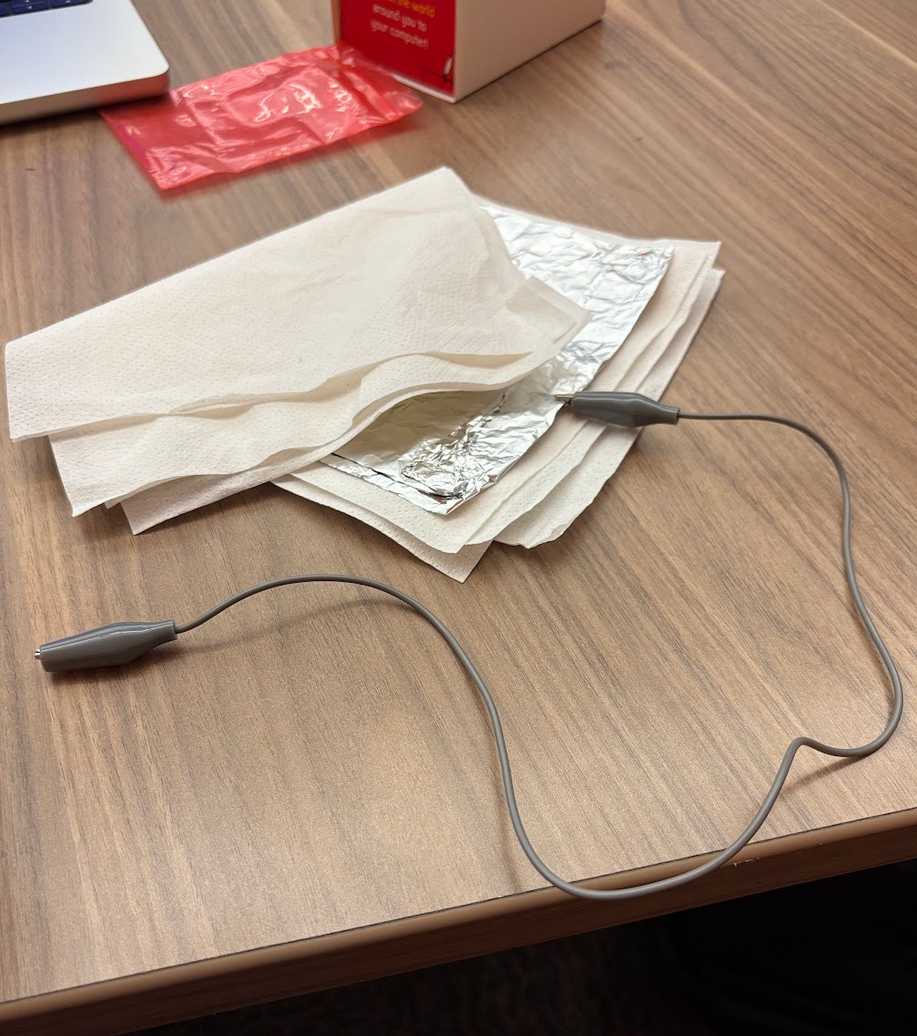
This project expands upon the creator’s first hack to address multiple physiological needs neglected during media consumption. The work creates a comprehensive system that incorporates three distinct physical interactions: drinking water, using a napkin, and handling a fork. This is done to maintain awareness of hydration, rest, and nourishment while engaging with short-form content. By gamifying these basic needs through a Chrome extension with visual progress bars, the project applies B.F. Skinner’s principles of behavioral psychology to recondition digital behavior. This hack aims to disrupt passive scrolling habits while promoting a more mindful integration of technology and physical well-being.
Figuring out how to make functionality for pausing has been quite difficult. I’m thinking about making a place mat, and once a fork touches the place mat, the video pauses. I’m really not sure how to relate pausing a video to a feature of self sustenance. We will see…
